Aruba vs. Other Caribbean Islands: Comparison Guide
Planning a Caribbean vacation and trying to decide between Aruba and another island? You’re in the right place.
We’ve gone category by category, beaches, weather, safety, cost, activities, and more, so you can make the call with confidence.
Aruba has a well-earned reputation as one of the Caribbean’s best destinations. Consistent sunshine, some of the calmest and clearest water in the region, a remarkably safe environment, and a thriving resort and restaurant scene make it easy to understand why visitors keep coming back.
But it’s not the only great island out there. If you’re weighing Aruba against another destination, you deserve a straight answer rather than just a promotional pitch.
This guide compares Aruba head-to-head with 10 popular Caribbean (and Caribbean-adjacent) islands. Each comparison is honest. In some categories, Aruba wins. In others, it doesn’t. We’ll tell you which is which. The goal is to help you find the island that fits your travel style, not just the island with the best marketing.
Disclosure: Some of the links below may be affiliate links. At no additional cost to you, we may earn a small commission if you make a purchase.
Jump to any comparison:
- Aruba vs. Bonaire
- Aruba vs. Grand Cayman
- Aruba vs. Barbados
- Aruba vs. St. Lucia
- Aruba vs. Turks & Caicos
- Aruba vs. Curaçao
- Aruba vs. Jamaica
- Aruba vs. the Bahamas
- Aruba vs. St. Maarten / St. Martin
- Aruba vs. Belize
Why Aruba is the Benchmark
Before we get into comparisons, it helps to understand what makes Aruba worth comparing against in the first place. A few things stand out consistently:
1. Weather Reliability
Aruba sits outside the hurricane belt and receives less than 20 inches of rain per year. With over 300 sunny days annually, it’s one of the most weather-dependable destinations in the entire Caribbean. You can book almost any time of year and feel confident the weather won’t derail your trip. Learn more about Aruba’s weather.
2. Safety
Aruba consistently ranks among the safest islands in the Caribbean and among the safest destinations in the broader Latin America and Caribbean region. Crime targeting tourists is rare. Solo travel is common. Families feel comfortable. Learn more about safety in Aruba.
3. The Beaches
Eagle Beach is wide, uncrowded, and frequently ranked among the best beaches in the world. Palm Beach is livelier with calm, turquoise water that’s perfect for swimming. The famous divi-divi trees, bent permanently by the trade winds, have become one of the Caribbean’s most iconic images.
4. Ease of Travel for Americans
No visa required for US citizens. The US dollar is widely accepted. English is spoken nearly everywhere. Flights connect from dozens of US cities. The Aruba ED Card (equired entry documentation) is straightforward to complete online.
5. Friendliness
Arubans are multilingual (most speak Papiamento, Dutch, English, and Spanish) and genuinely welcoming. Visitors rarely feel unwanted or out of place. It’s one of the reasons so many people visit once and come back repeatedly.
These are the standards every island in this guide gets measured against.
How We Compare Each Island
Every comparison in this guide covers the same core categories:
- Beaches: Sand quality, water clarity, wave conditions, and crowding
- Weather & Hurricane Risk: Average rainfall, storm season exposure, best travel windows
- Safety: Crime levels, travel advisories, general tourist environment
- Cost: Average daily spend, hotel rates, food, flights from the US
- Where to Stay: Resort variety, all-inclusives, budget options, luxury picks
- Food & Nightlife: Restaurant scene, local cuisine, after-dark options
- Activities & Water Sports: Diving, snorkeling, land-based adventures
- Best For: Which type of traveler belongs on each island
- The Verdict: A clear, direct summary
Aruba vs. Bonaire
Bonaire is Aruba’s closest neighbor and fellow ABC Island, sitting just 86 miles to the east. The two islands share a Dutch heritage, stable weather outside the hurricane belt, and incredibly clear Caribbean water. But beyond that, they’re strikingly different.
Aruba is a developed, resort-centric destination with a full spectrum of hotels, restaurants, casinos, and organized tours. Bonaire is quiet, low-key, and deliberately kept that way. It’s the least commercially developed of the ABC Islands, and that’s exactly the point.
Beaches
Aruba wins, and it’s not particularly close. Aruba’s beaches (Eagle Beach, Palm Beach, Baby Beach) are some of the finest in the Caribbean. Bonaire’s coastline is rockier and less polished for traditional beach lounging. That said, Bonaire’s water clarity is extraordinary.
Diving & Snorkeling
Bonaire wins, and it’s not particularly close either. Bonaire National Marine Park is one of the most protected and well-preserved marine environments in the world. Shore diving is accessible from nearly anywhere on the island. The reefs are healthy, the variety of marine life is exceptional, and the diving community here is global. Aruba has solid diving, particularly the Antilla shipwreck, one of the largest in the Caribbean, but it’s not in Bonaire’s league for serious divers.
Weather
Essentially identical. Both sit below the hurricane belt and enjoy warm, dry, sunny weather year-round. This is one of the clearest advantages both islands share over much of the Caribbean.
Cost
Bonaire can be slightly less expensive overall because it has fewer luxury resort options, but the island isn’t cheap. Dive packages can add up quickly, and the limited flight connections mean airfare is often more expensive.
Getting There
Bonaire requires a connecting flight through Aruba, Curaçao, or another hub for most US travelers. Aruba has many more direct flight options. Interestingly, you can also reach Bonaire on a day trip from Aruba. It’s worth considering if you want a taste of both.
Crowds & Atmosphere
Bonaire is far less crowded and feels more remote. If you’re looking to escape the resort-strip energy, Bonaire delivers. If you want a lively vacation with plenty of dining, nightlife, and organized activity options, Aruba is the better fit.
Activities
Aruba offers enormous variety: off-road tours, sunset cruises, snorkeling trips, flamingo encounters, casinos, and more. Bonaire’s activity list centers on water sports, hiking, flamingo spotting at the salt flats, and kayaking through mangroves. Both are excellent; they just serve different appetites.
Quick Verdict
Two islands that look similar on a map and feel completely different in person. Aruba for beach vacations. Bonaire for underwater adventures.
- Choose Aruba if you want a classic beach resort vacation with variety, dining, and nightlife.
- Choose Bonaire if you’re a diver, an eco-traveler, or someone who wants quiet and nature over poolside cocktails.
Coming Soon: The Full Aruba vs. Bonaire Comparison

Aruba vs. Grand Cayman
Grand Cayman and Aruba are frequently cited as two of the Caribbean’s top upscale destinations, and they share more DNA than almost any other pairing in this guide. Both are safe, well-developed, English-friendly, and home to stunning beaches and world-class diving. If you’re debating between these two, you’re choosing between two genuinely excellent options.
Beaches
This is the marquee matchup. Seven Mile Beach (Grand Cayman) vs. Eagle Beach (Aruba). Seven Mile Beach is one of the most famous beaches in the Caribbean, long, powdery, and lined with resorts and beach bars. Eagle Beach is arguably less crowded, equally beautiful, and regularly ranked among the world’s best. Both deliver. Seven Mile Beach has more beachfront activity. Eagle Beach feels more serene.
Diving & Snorkeling
Grand Cayman has an edge for serious divers. The Bloody Bay Wall, the Kittiwake shipwreck, and the famous Stingray City experience are all world-class. Aruba’s diving is excellent, particularly the Antilla wreck, but Grand Cayman’s dive sites are more varied and frequently ranked higher globally.
Weather
Aruba has a meaningful advantage here. Grand Cayman sits in the central Caribbean and has real hurricane exposure. Aruba’s position outside the hurricane belt makes it a safer booking year-round. Both islands are generally sunny and warm, but Aruba offers more predictability.
Safety
Both are considered among the safest Caribbean islands. This one is essentially a tie at the top of the category.
Cost
Aruba tends to be more affordable. Grand Cayman is one of the pricier Caribbean destinations. Hotel rates, restaurant prices, and activity costs all run higher than Aruba on average. That said, both are in the mid-to-upper range for the region.
Food & Dining
Grand Cayman has a more sophisticated dining scene, particularly in George Town and Seven Mile Beach. It’s developed a genuine culinary reputation with international chefs and a range of high-end restaurants. Aruba’s dining has grown significantly in recent years and offers excellent variety, but Grand Cayman has an edge for food-focused travelers.
Nightlife
Both have casino options and resort bars. Grand Cayman’s nightlife is lively but not overwhelming. Aruba has a solid nightlife scene centered around Palm Beach and downtown Oranjestad.
Where to Stay
Both islands offer a full range, from budget to ultra-luxury. Aruba has more all-inclusive options. Grand Cayman leans more toward standalone luxury resorts and condos. Explore Aruba’s all-inclusive resorts.
Getting There
Both have good US connections, though Aruba typically has more direct flights from more cities.
Quick Verdict
These two islands are the closest match in this entire guide. If you can only go once, let your priorities decide:
- Choose Aruba if weather reliability, value, beach variety, and ease of travel are priorities.
- Choose Grand Cayman if serious diving, upscale dining, and Seven Mile Beach are what you’re after.
Read the Full Aruba vs. Grand Cayman Comparison
Aruba vs. Barbados
Barbados punches above its weight in almost every category it cares about: Food, culture, nightlife, and beach variety. It’s a destination with genuine personality and a devoted following, and it’s a legitimate alternative to Aruba for travelers who want more cultural richness woven into their beach vacation.
Beaches
Barbados has variety Aruba doesn’t. The west coast (“Gold Coast”) has calm, turquoise water and upscale beach clubs. The east coast (Bathsheba) is wild, surf-battered, and dramatically beautiful. Aruba’s beaches are more consistently excellent across the board… calm water, white sand, gorgeous conditions. For pure swimming and lounging, Aruba wins. For scenery and variety, Barbados holds its own.
Weather
Aruba wins clearly. Barbados has a rainy season (June–November) and sits in the hurricane belt, though it’s rarely hit directly. Aruba’s weather is more reliable year-round, and there’s no meaningful hurricane risk.
Safety
Both are considered safe Caribbean destinations. Barbados is generally safe for tourists; some caution is warranted in certain areas of Bridgetown. Aruba has fewer caveats.
Cost
Similar mid-range pricing for both islands, though this depends heavily on when you go and where you stay. Barbados can be expensive at top-end properties.
Food & Culture
Barbados wins, and it’s a category worth caring about. Flying fish and cou-cou (the national dish), rum shops, fish fry at Oistins on Friday nights, the Crop Over festival… Barbados has a food and cultural identity that’s specific, proud, and fun to explore. Aruba’s dining scene is excellent and diverse, but it’s more internationally oriented than locally rooted. If food and culture matter to you, Barbados delivers something Aruba doesn’t.
Activities
Aruba offers more variety for organized tourism: tours, water sports, nightlife, casinos, off-road adventures. Barbados has Harrison’s Cave (a spectacular underground cavern), great surfing on the east coast, wildlife, rum distillery tours, and a lively social scene. Different strengths.
Nightlife
Barbados has a lively nightlife scene, particularly on the west and south coasts. Aruba’s nightlife is concentrated around Palm Beach. Both are solid, but Barbados feels a bit more locally integrated.
Quick Verdict
Aruba for sunshine certainty and beach perfection. Barbados for culture, cuisine, and personality.
- Choose Aruba if consistent beach weather, calm swimming conditions, and resort comfort are the priority.
- Choose Barbados if culture, food, and a livelier local scene matter as much as the beach.
Coming Soon: The Full Aruba vs. Barbados Comparison
Aruba vs. St. Lucia
St. Lucia and Aruba are almost opposites in terms of landscape and atmosphere, which makes comparing them a useful exercise in figuring out what kind of traveler you really are. Aruba is flat, sunny, and dry. St. Lucia is lush, mountainous, and dramatic. One is a classic beach resort island. The other is one of the Caribbean’s most visually breathtaking destinations.
Landscape & Vibe
St. Lucia wins on sheer drama. The Piton mountains, two UNESCO-listed volcanic peaks rising straight out of the sea, are among the most striking natural formations in the entire Caribbean. Rainforests, waterfalls, volcanic hot springs, and a drive-in volcano (the world’s only one) make St. Lucia feel like a different planet from Aruba’s desert terrain and windswept beaches. Neither is better. They’re just completely different.
Beaches
Aruba wins on consistency. St. Lucia has beautiful beaches, Anse Chastanet, Reduit Beach, Sugar Beach, but many are smaller, some are darker sand, and the water is less uniformly calm than Aruba’s west-coast beaches. For traditional beach lounging and swimming, Aruba is the stronger choice. For dramatic, secluded, intimate beach settings, St. Lucia has moments that are hard to beat.
Weather
Aruba wins significantly. St. Lucia has a real rainy season from June through November, and the island sees substantially more rainfall than Aruba even in the dry season. Its lush landscape exists precisely because it gets a lot of rain. The trade-off is real: you get greenery and waterfalls, but you also get unpredictable weather. Aruba’s sunshine is more dependable.
Romance & Honeymoons
St. Lucia wins. It’s consistently ranked as one of the top honeymoon destinations in the Caribbean, and for good reason. The intimate boutique resorts tucked into the hillsides (Jade Mountain, Anse Chastanet, Sugar Beach) are extraordinary. The Pitons at sunset from a private plunge pool are genuinely unforgettable. Aruba has excellent romantic options, like adults-only resorts, private beach dinners, sunset cruises, but St. Lucia has a dramatic edge for couples.
Adventure
St. Lucia wins. Hiking the Pitons, zip-lining through the rainforest, visiting the sulphur springs, quad biking… the island is built for active travelers. Aruba has great adventure options (Arikok National Park, the Conchi Natural Pool, off-road tours) but the terrain is fundamentally less dramatic.
Cost
Both islands have a wide range. St. Lucia’s top-tier resorts are among the most expensive in the Caribbean. Budget options exist on both islands. Flights to St. Lucia from the US can be expensive depending on your departure city.
Safety
Both are considered safe for tourists. Aruba has a slight edge in overall consistency.
Quick Verdict
Aruba for sun-soaked beach perfection. St. Lucia for one of the most visually stunning and romantically charged destinations in the Caribbean.
- Choose Aruba if reliable beach weather, calm water, and resort comfort are your priorities.
- Choose St. Lucia if romance, dramatic landscapes, adventure, or a special-occasion trip is the goal.
Coming Soon: The Full Aruba vs. St. Lucia Comparison
Aruba vs. Turks & Caicos
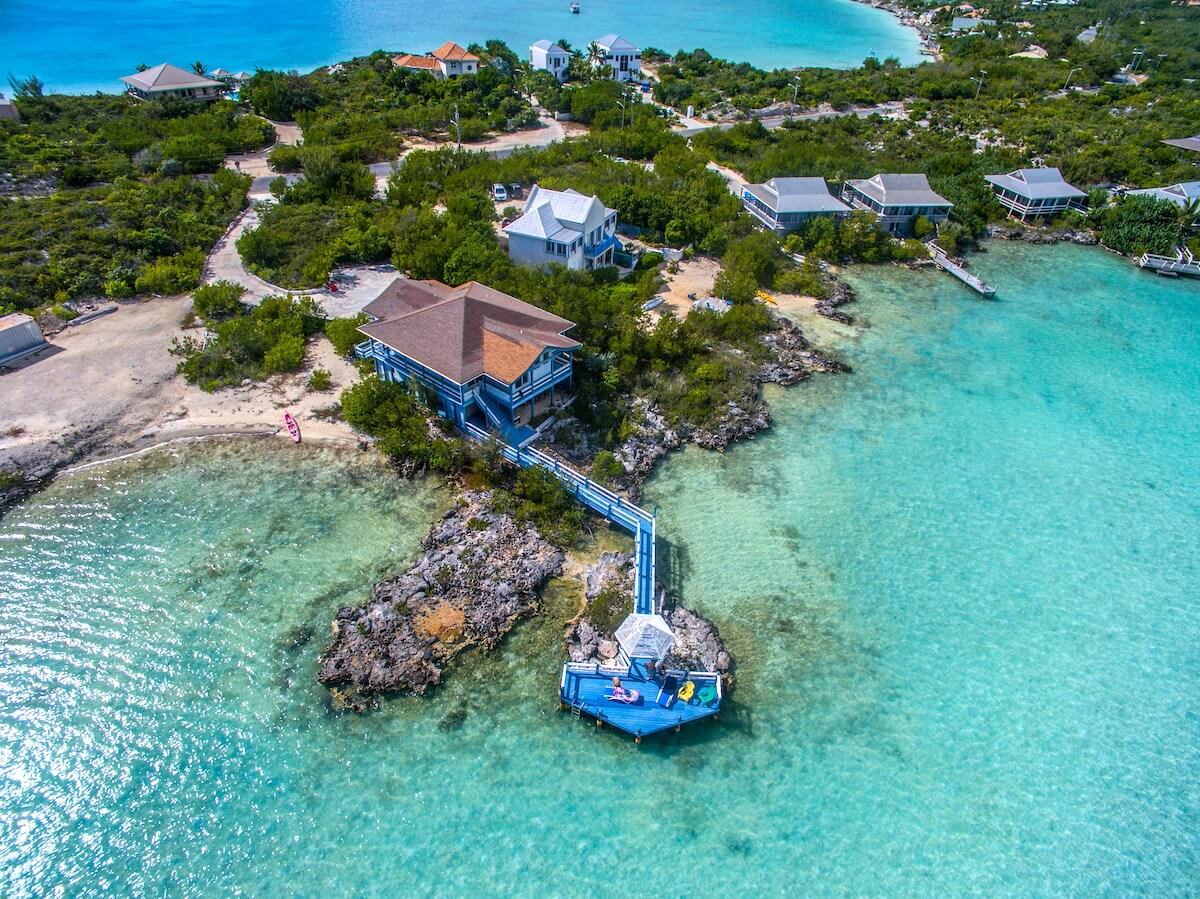
Turks and Caicos is Aruba’s most direct competition when it comes to beach quality, luxury resort offerings, and the pure “postcard Caribbean” experience. If someone says Aruba has the best beaches in the Caribbean, someone else will immediately say “but have you been to Grace Bay?” This comparison is worth taking seriously.
Beaches
This is the headline matchup. Grace Bay Beach in Providenciales is consistently ranked the number one beach in the Caribbean and among the very best in the world. The sand is talcum-powder soft, the water is an impossibly clear turquoise, and it stretches for miles without feeling crowded for its reputation. Eagle Beach in Aruba is in that same conversation, and many visitors prefer it for its wider expanse and fewer beachfront crowds.
Honest call: both are extraordinary. Grace Bay may have a slight edge in water color and sand texture; Eagle Beach has more space and less development directly on the shoreline.
Weather
Aruba has an advantage. Turks and Caicos sits within the hurricane belt and has real storm exposure. Aruba’s position below the belt means significantly lower risk year-round.
Cost
Turks and Caicos is noticeably more expensive than Aruba, often significantly so. Hotel rates, restaurant prices, and activities all run higher. It’s one of the priciest destinations in the Caribbean. Aruba offers a similar quality experience at a lower overall price point.
Activities
Aruba wins on variety. Turks and Caicos is largely centered around beach, water sports, and diving. There’s less to do off the beach compared to Aruba, which offers off-road adventures, national park exploration, nightlife, casinos, and animal encounters. If you’re content spending your entire trip on the beach or in the water, this won’t matter. If you want variety, Aruba has more to offer.
Diving & Snorkeling
Turks and Caicos has the third-largest coral reef system in the world, and the diving and snorkeling is world-class. Aruba’s underwater world is excellent, particularly the Antilla shipwreck and the surrounding reefs, but Turks has a natural advantage in reef size and health.
Where to Stay
Both offer luxury resorts at the high end. Aruba has a much wider range of options, from budget guesthouses and hostels to five-star properties. Turks and Caicos is heavily skewed toward the luxury and upper-mid market. Explore Aruba accommodations.
Nightlife & Dining
Aruba has a more developed nightlife and dining scene. Turks and Caicos has grown its restaurant offerings in recent years but still lags behind Aruba for variety and energy.
Quick Verdict
These two are the closest rivals for pure beach quality in the Caribbean. Aruba wins on value and variety. Turks & Caicos wins for those who want the absolute pinnacle of beach luxury and don’t mind paying for it.
- Choose Aruba if you want value, variety, weather reliability, and a fuller vacation experience.
- Choose Turks & Caicos if your entire goal is beach and water perfection and budget is less of a concern.
Read the Full Aruba vs. Turks & Caicos Comparison
Aruba vs. Curaçao
Curaçao is part of the same ABC Islands family as Aruba: Same Dutch heritage, same hurricane-free weather, same crystal-clear water. But the two islands have developed in very different directions, and choosing between them comes down to what you want from your vacation.
Beaches
Aruba wins on overall quality and consistency. Aruba’s beaches are wider, more developed for tourism, and more reliably calm. Curaçao has beautiful beaches (Grote Knip, Cas Abao, Playa Lagun) but they tend to be smaller cove-style beaches rather than long, open stretches. Some are also rockier on entry. Both islands have stunning clear water. Explore Aruba’s best beaches.
Culture & City Life
Curaçao wins, and it’s not close. Willemstad, Curaçao’s capital, is a UNESCO World Heritage Site, a colorful, walkable city of Dutch colonial architecture, floating bridges, local markets, and a great café and restaurant scene. It’s genuinely one of the most charming small cities in the Caribbean. Oranjestad (Aruba’s capital) is pleasant and walkable but doesn’t match Willemstad’s visual impact or cultural depth.
Weather
Essentially identical: Both sit outside the hurricane belt and enjoy warm, dry, sunny conditions year-round. This is one of the strongest shared advantages of the ABC Islands. If you want a day trip from Aruba to Curaçao, it’s very doable.
Diving & Snorkeling
Both islands are excellent dive destinations. Curaçao’s reefs are arguably more varied and in some areas more pristine, particularly on the north coast. Aruba’s diving highlights include the massive Antilla wreck. Serious divers will be happy on either island, although most would give Curaçao a slight edge overall.
Cost
Very similar overall. Curaçao may be slightly cheaper in some areas due to fewer luxury resort options, but the gap isn’t dramatic.
Where to Stay
Aruba has a more developed hotel and resort strip with wider selection at every price point. Curaçao’s accommodation scene is more boutique-oriented and includes some unique options in restored Willemstad buildings. All-inclusive options in Aruba.
Food & Nightlife
Curaçao’s food scene is increasingly celebrated: A mix of Dutch, Latin American, and Caribbean influences with some excellent restaurants. Aruba has more nightlife venues and casinos. Both have solid options for most travelers.
Getting There
Aruba has significantly more direct US flights. Curaçao has grown its US connections in recent years but still has fewer options.
Quick Verdict
Same weather, same heritage, different personalities. Aruba for beach-first vacations. Curaçao for travelers who want a beach destination with city soul.
- Choose Aruba if you want a classic beach resort vacation with the best beaches, most hotel choice, and most nightlife.
- Choose Curaçao if you want excellent beaches combined with a genuinely fascinating cultural and urban experience.
Coming Soon: The Full Aruba vs. Curaçao Comparison

Aruba vs. Jamaica
Jamaica is one of the Caribbean’s most iconic and most complex destinations. It’s a place with extraordinary personality, music, food, culture, and landscape, alongside real safety considerations that don’t apply in Aruba. This comparison comes up frequently, and it deserves a direct answer.
Beaches
Both islands have excellent beaches, but they’re different in character. Aruba’s beaches are consistently calm. The gentle trade winds keep things breezy but the water is usually smooth. Jamaica’s most famous beaches (Negril’s Seven Mile Beach, Montego Bay resort strips) are beautiful. Negril’s sunset is legendary.
Overall, Aruba’s beach quality is more consistent across the island. Jamaica’s best beaches are excellent but the quality varies more widely.
Weather
Aruba wins meaningfully. Jamaica has a rainy season (May–November), more clouds and rainfall overall, and sits firmly in the hurricane belt. Aruba’s weather is significantly more reliable year-round.
Safety
This is the most important difference between these two islands, and it needs to be said plainly. Aruba is one of the safest destinations in the Caribbean, consistently. Jamaica has a much higher crime rate, and while the all-inclusive resort zones (Montego Bay, Negril, Ocho Rios) are generally safe for tourists who stay within them, venturing outside those areas carries real risks that simply don’t exist in Aruba.
If you’re an independent traveler who wants to explore freely, Aruba is the better choice. If you’re comfortable in a resort bubble, Jamaica can work. Safety in Aruba.
Cost
Jamaica can be more affordable, particularly for all-inclusive packages, which are Jamaica’s specialty. Budget travelers and all-inclusive hunters will find better value in Jamaica. Aruba is mid-range and doesn’t heavily discount.
All-Inclusives
Jamaica is the Caribbean’s all-inclusive capital, with giants like Sandals, Beaches, and Couples dominating the market. Aruba has solid all-inclusive options but fewer of them. If an all-inclusive resort is your primary travel mode, Jamaica has more choices at more price points. Aruba all-inclusive options.
Food & Culture
Jamaica wins on local flavor. Jerk chicken, jerk pork, ackee and saltfish, rum punch, reggae music, Rastafarian culture, Bob Marley’s legacy… Jamaica has one of the most specific and celebrated cultural identities in the Caribbean. Aruba’s culture is a fascinating Dutch-Caribbean blend, but it’s quieter and less internationally known. If cultural immersion matters to you, Jamaica is the richer experience.
Activities
Both islands have strong activity offerings. Jamaica offers Blue Lagoon, Dunn’s River Falls, Mystic Mountain, rum tours, and beach parties. Aruba offers off-road adventures, national park exploration, water sports, casinos, and flamingo encounters. Different styles, both solid.
Quick Verdict
Aruba for travelers who prioritize safety, sunshine, and freedom to roam. Jamaica for travelers who want a culturally rich, personality-packed destination… ideally within a resort zone.
- Choose Aruba if safety, weather reliability, and independent exploration are priorities.
- Choose Jamaica if all-inclusive value, local culture, and music and food experiences are what you’re after.
Read the Full Aruba vs. Jamaica Comparison
Aruba vs. the Bahamas
The Bahamas isn’t one destination. It’s 700 islands spread across a huge swath of the Atlantic and Caribbean. Comparing “the Bahamas” to Aruba is a bit like comparing a single restaurant to an entire city of restaurants. So we’ll frame it two ways: Aruba vs. Nassau/New Providence (the busy, accessible Bahamas most people visit) and Aruba vs. the Out Islands (the quieter, more remote Bahamian experience).
Getting There
The Bahamas wins on proximity and ease for US East Coast travelers. Nassau is a short flight from Miami, Atlanta, and New York, often under two hours. Aruba requires a longer flight (4–4.5 hours from the East Coast, longer from the Midwest and West). If you’re in Florida or the Southeast, the Bahamas offers exceptional convenience.
Nassau/New Providence vs. Aruba
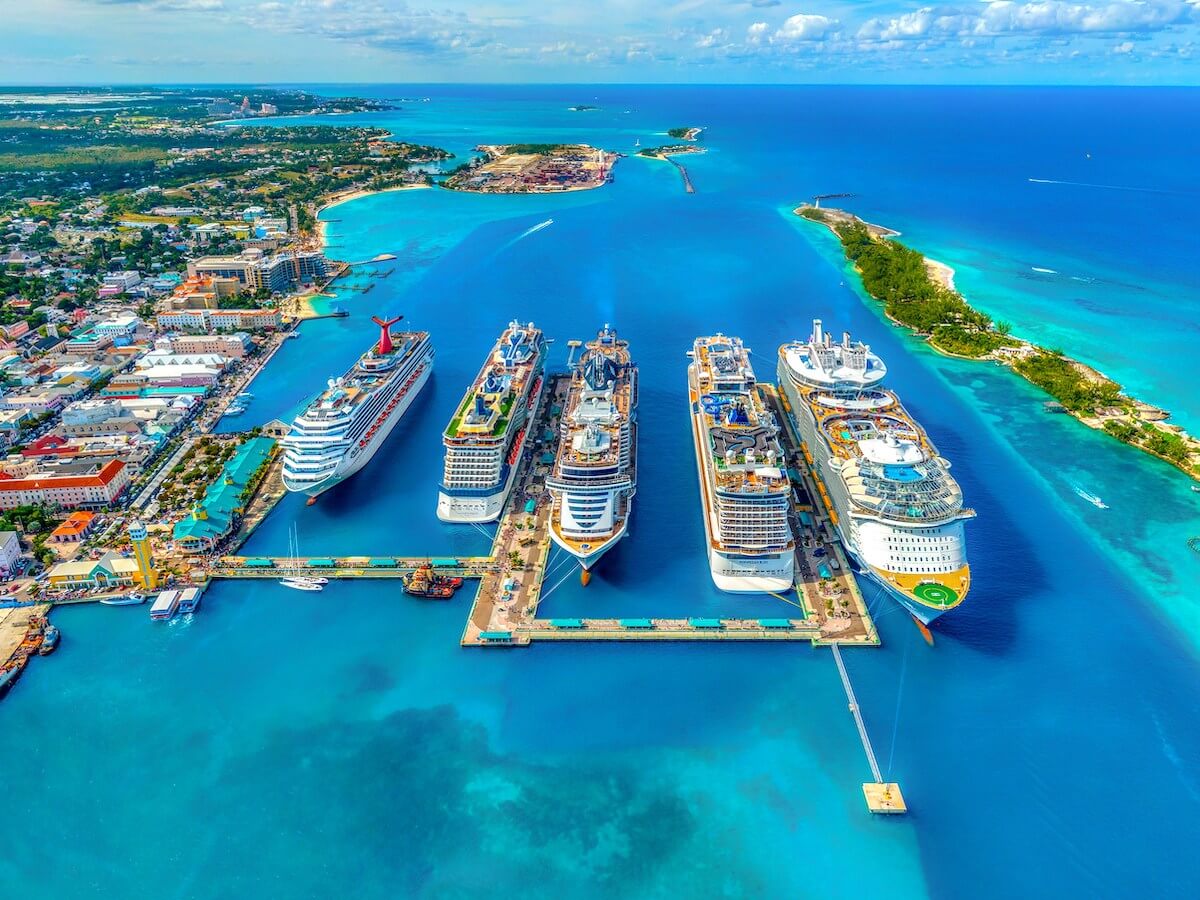
Nassau is a busy cruise port with urban energy, Atlantis Resort, casinos, and history. It’s a very different vibe from Aruba’s beach resort atmosphere. Nassau’s beaches (Cable Beach, Paradise Island) are lovely but not in Aruba’s league. The city itself is interesting and chaotic. Safety is more of a consideration in certain areas of Nassau than in Aruba.
The Out Islands vs. Aruba
The Exumas, Harbour Island, Eleuthera, and the remote Bahamian islands offer some of the most stunning and unique experiences in the entire Atlantic world. The Exuma Cays’ swimming pigs, the neon-pink sand of Harbour Island’s Pink Sands Beach, the eerie blue holes… these are genuinely singular experiences Aruba can’t match. The trade-off: getting to the Out Islands is more complicated and can be expensive.
Beaches
Both islands can claim some of the best beaches in the region. Aruba’s beaches win on consistency. The Bahamas wins on uniqueness: Pink sand, remote cays, underwater visibility in the Out Islands is extraordinary. For pure swimming and lounging, Aruba’s calm trade-wind-cooled beaches are hard to beat. For sheer variety and discovery, the Bahamas wins.
Weather
Aruba wins significantly. The Bahamas sits in the hurricane belt and has meaningful storm exposure, particularly from August through October. Nassau can get hit hard. Aruba’s outside-the-belt position gives it a major advantage in year-round reliability.
Safety
Aruba wins. Nassau and Freeport have higher crime rates than Aruba. The Out Islands are generally safer but require more logistical awareness.
Cost
The Bahamas has a wide range. Nassau can be affordable or expensive depending on where you stay. The Out Islands and private island resorts can be extremely expensive. Aruba is mid-range and fairly consistent.
Unique Experiences
The Bahamas wins for novelty. Swimming with pigs in the Exumas. Feeding nurse sharks in Compass Cay. Snorkeling with sea turtles in the turquoise shallows. These experiences don’t exist in Aruba. But Aruba has its own unique draws: Flamingo encounters at Renaissance Island, the Antilla shipwreck, Arikok National Park, and the famous divi-divi trees.
Quick Verdict
Aruba for a reliable, polished Caribbean beach vacation. The Bahamas for variety, adventure, proximity to the US, and experiences you won’t find anywhere else.
- Choose Aruba if weather reliability, consistent beach quality, safety, and a full resort experience are the priority.
- Choose the Bahamas if proximity from the US East Coast, variety of experiences, or specific Out Island adventures are what you’re after.
Read the Full Aruba vs. the Bahamas Comparison
Aruba vs. St. Maarten / St. Martin
St. Maarten/St. Martin is one of the Caribbean’s only islands shared by two countries: The Dutch Sint Maarten and the French Saint-Martin. The result is a destination with two personalities, two currencies, two culinary traditions, and an energy that’s unlike most other islands in the Caribbean. It’s a strong comparison to Aruba for travelers who want more variety and a livelier, more international atmosphere.
Beaches
Both sides of the island have excellent beaches. Maho Beach (Sint Maarten) is world-famous for an entirely different reason. Planes from Princess Juliana Airport pass just overhead as they land, close enough to feel the jet blast. It’s a tourist experience unlike anywhere else. Orient Bay (Saint-Martin) is a beautiful, lively beach with beach clubs and water sports. Aruba’s Eagle Beach and Palm Beach are more classically beautiful and much calmer in atmosphere.
For pure beach relaxation, Aruba wins. For beach entertainment and novelty, St. Maarten has Maho.
Food & Dining
St. Maarten / St. Martin wins, and it’s a significant category. The French side in particular has developed a genuinely impressive restaurant scene. French Caribbean cuisine with fresh seafood, excellent wine, and an atmosphere that few Caribbean islands can match. The Dutch side adds a lively bar and casual dining scene. Aruba’s dining has grown considerably and offers real quality, but St. Maarten is in a different league for food-focused travelers.
Nightlife
St. Maarten wins. More clubs, more beach bars, more variety. Both islands have casinos. St. Maarten’s nightlife is more developed and more varied.
Weather
Aruba wins clearly and significantly. Hurricane Irma struck St. Maarten in 2017 with catastrophic force, causing widespread destruction. The island has largely rebuilt, but it serves as a reminder that St. Maarten sits squarely in the hurricane belt. Aruba’s outside-the-belt position gives it a major advantage in storm risk.
Safety
Aruba wins. St. Maarten has experienced higher crime rates than Aruba, and some areas of Philipsburg (the Dutch capital) and surrounding neighborhoods require more awareness. The tourist zones are generally fine, but Aruba is simply a safer destination overall.
Shopping
St. Maarten/St. Martin wins. Philipsburg is one of the Caribbean’s great duty-free shopping ports, and Marigot’s French market has charm and quality. Aruba has good duty-free options in Oranjestad, but St. Maarten is the stronger shopping destination.
Culture
St. Maarten’s French/Dutch dual identity creates something genuinely interesting: Two towns, two cultures, one island. Marigot has French patisseries and wine shops. Philipsburg has Dutch colonial history and a cruise port atmosphere. Aruba’s culture is its own blend of Papiamento, Dutch, and Caribbean. Both are interesting; St. Maarten’s duality is unique.
Quick Verdict
Aruba for sunshine certainty and safety. St. Maarten for gastronomy, nightlife, and the novelty of two cultures on one island.
- Choose Aruba if weather reliability, safety, and a calm, polished beach vacation are the priority.
- Choose St. Maarten / St. Martin if food, nightlife, shopping, and cultural variety are what you’re after — and you’re traveling outside hurricane season.
Coming Soon: The Full Aruba vs. St. Maarten Comparison
Aruba vs. Belize
Belize is the most different destination on this list. It’s not technically a Caribbean island. It’s a Central American country on the Caribbean coast, but it competes for the same traveler who’s drawn to clear water, diving, and tropical scenery. If you’re comparing Belize to Aruba, you’re really comparing two fundamentally different types of tropical vacation.
Landscape
Belize wins on natural drama and diversity. Rainforests, Mayan ruins, the world’s second-largest barrier reef, jungle rivers, howler monkeys, and amazing wildlife. Belize packs more raw natural variety into one destination than almost anywhere in the region. Aruba’s landscape is beautiful in its own way, windswept, desert-like, and dramatic in a completely different register, but Belize’s biodiversity is on another level.
Beaches
Aruba wins clearly. Ambergris Caye (Belize’s main beach destination) has charming beaches and beautiful water, but they’re not in the same league as Aruba’s Eagle or Palm Beach for swimming and traditional beach lounging. Aruba’s beaches are wider, calmer, and more consistently beautiful.
Diving & Snorkeling
Belize wins for serious divers. The Great Blue Hole, a massive underwater sinkhole off the coast of Belize, is one of the most iconic dive sites in the world. The Belize Barrier Reef is a UNESCO World Heritage Site and offers extraordinary underwater diversity. Aruba has excellent diving (particularly the Antilla wreck), but Belize’s underwater world is on a different scale for reef divers. Diving in Aruba.
Weather
Aruba wins. Belize has a distinct rainy season from June through November, and the humidity year-round is much higher than Aruba’s dry trade-wind climate. Aruba’s sunshine reliability is one of its biggest advantages, and it’s particularly stark compared to Belize.
Safety
Aruba wins. Belize City has a significant crime problem, and while the resort areas (Ambergris Caye, Placencia, the cayes) are generally safe for tourists, the overall safety picture is more complicated than Aruba’s.
Cost
Belize can be more affordable for budget travelers, particularly for eco-lodges and independent travel. However, remote island experiences in Belize can get expensive quickly with boats and small flights. Aruba is mid-range and fairly predictable.
Adventure & Eco-Travel
Belize wins decisively for adventure travelers. Zip-lining over the jungle, exploring Mayan temples at Xunantunich or Lamanai, cave tubing, howler monkey spotting, chocolate farm tours… these experiences simply don’t exist in Aruba. Aruba has great adventure options (off-road tours, natural pool, national park) but it’s a beach resort island, not an eco-adventure destination.
Getting There
Aruba is easier to reach from most US cities with more direct flights. Belize City has connections from several major US hubs, but the island destinations (Ambergris Caye) require a small domestic flight or boat transfer after landing.
Quick Verdict
These two destinations serve almost entirely different kinds of traveler. Aruba for beach vacations. Belize for nature immersion, diving, and adventure.
- Choose Aruba if a beach resort vacation with reliable sunshine and a comfortable, safe base is the goal.
- Choose Belize if eco-adventure, serious diving, Mayan ruins, and rainforest exploration are the draw.
Coming Soon: The Full Aruba vs. Belize Comparison
Quick Comparison: Which Island Is Right for You?
Not sure where to start? Use this table to find your best match based on what matters most.
| If your top priority is… | Best Choice |
|---|---|
| Most reliable weather / no hurricanes | Aruba |
| World-class scuba diving | Bonaire or Grand Cayman |
| Best overall beach quality | Aruba or Turks & Caicos |
| Safety as a top concern | Aruba |
| Best food & dining scene | Grand Cayman or St. Maarten |
| Most romantic / honeymoon vibes | St. Lucia |
| Culture, history, and city life | Curaçao or St. Maarten |
| Eco-adventure and rainforest | Belize |
| All-inclusive resort value | Jamaica |
| Variety across many islands | The Bahamas |
| Closest to US East Coast | The Bahamas |
| Budget-friendly Caribbean | Jamaica or Belize |
| Luxury resorts with pristine beaches | Aruba or Turks & Caicos |
Frequently Asked Questions
Curaçao and Bonaire are Aruba’s closest equivalents. All three are Dutch ABC Islands with the same hurricane-free weather, warm temperatures, and crystal-clear water. For a non-ABC comparison, Turks and Caicos is frequently mentioned for its similar combination of luxury resorts, stunning beaches, and calm water.
It depends on your priorities. Aruba tends to offer better weather reliability, more beach variety, and lower overall costs. Grand Cayman has a stronger fine dining scene and world-class wall diving. For most travelers, Aruba offers more value. For food-focused or serious diving trips, Grand Cayman may have an edge. Read our full Aruba vs. Grand Cayman comparison for the complete breakdown.
Aruba consistently ranks at or near the top of Caribbean safety rankings. Its crime rate is very low by regional standards, tourist infrastructure is excellent, and the island is a common destination for solo travelers, families, and first-time international visitors. Learn more about safety in Aruba.
Aruba is widely considered to have the most reliable weather in the Caribbean. Sitting outside the hurricane belt, it averages over 300 sunny days per year with very low annual rainfall. This makes it one of the only Caribbean islands where you can book confidently during the traditional hurricane season (June–November) without significant weather risk. Aruba weather guide.
Aruba sits in the mid-to-upper range of Caribbean pricing. It’s more affordable than Turks & Caicos or Grand Cayman, but pricier than Jamaica or the Dominican Republic. There are options at most price points, from budget-friendly hostels to five-star resorts. Full cost breakdown for Aruba.
Yes, and Aruba is a great hub for this. From Aruba you can take a day trip to Bonaire or a day trip to Curaçao, giving you a taste of multiple ABC Islands in a single trip.
Aruba is a consistently popular recommendation for first-time Caribbean visitors. The ease of travel from the US, English-speaking environment, high safety, reliable weather, and excellent resort infrastructure make it a low-risk, high-reward choice. First-time visitor tips for Aruba.
Ready to Plan Your Aruba Trip?
If Aruba is on your list, Aruba Unleashed has you covered from start to finish. Here’s where to begin:
- Where to Stay in Aruba: From budget picks to luxury resorts and everything in between
- What to Do in Aruba: Beaches, tours, adventures, and activities
- Where to Eat in Aruba: The best restaurants for every budget and occasion
- About Aruba: All the practical details: weather, safety, currency, language, and more
- First-Time Visitor Tips: Everything you need to know before your first trip
Have a question about Aruba or one of the islands in this guide? Join our Facebook group, a community of Aruba travelers who’ve been there and are happy to help.