Best Reef-Safe Sunscreen for Aruba

Is reef-safe sunscreen on your Aruba packing list? If it’s not… it should be!
When you travel to Aruba, sunscreen is one of the most important things you need to pack. Located in the Caribbean, Aruba experiences intense sunlight and high levels of ultraviolet (UV) radiation throughout the year. To add to the challenge, Aruba’s equatorial proximity magnifies the strength of the sun’s rays. This can leave you susceptible to being burned.
But don’t just grab your everyday sunscreen, you need to make sure it’s reef-safe as Aruba has banned all other sunscreen. Now, let’s be realistic, they’re not going to go through your bag and take your “regular” sunscreen from you, but you do want to protect the coral in and around Aruba. As such, you’ll need to pack reef-safe sunscreen for Aruba.
Want to learn more? We’ve got you covered. Learn about sunscreen in Aruba, what reef-safe truly means, and then find the best reef-safe sunscreens on the market!
Disclosure: Some of the links below may be affiliate links. At no additional cost to you, we may earn a small commission if you make a purchase.
The Need for Sunscreen in Aruba
Aruba’s tropical climate and elevated UV radiation levels make sunscreen a vital defense against a myriad of health risks associated with prolonged sun exposure. We’re talking sunburn, premature aging, and the heightened risk of skin cancer. Sunscreen serves as a protective barrier, preventing UV rays from penetrating and damaging the skin cells.
This makes sunscreen indispensable for everyone in Aruba, but before you toss that 15 SPF into your bag, here are some tips you’ll want to know about selecting a sunscreen for Aruba.
1. Select Reef-Safe Sunscreen
When going to Aruba, make sure to purchase reef-safe sunscreen to protect the coral reefs in and around Aruba. It’s not just a “nice to do”, it’s the law as of November 19, 2019 when Aruba officially banned oxybenzone, one of the chemicals commonly found in sunscreens. This chemical is known to contribute to the deterioration of reefs.
2. Choose Lotion Sunscreen over Aerosol Sunscreen
If you haven’t heard it before, let me tell you now… Aruba is super windy. Pack lotion, not spray sunscreen. This will help ensure you end up covered with sunscreen rather than the sand or water receiving the majority of the sunscreen. It’s better for you and your skin and ultimately better for the island.
There is nothing worse than “applying” sunscreen only to be burned 20 minutes later because none of the sunscreen actually made it onto your body! Slather it on in lotion form and you know you’re protected.
3. Opt for 50+ SPF
You may not be a sunscreen wearer, or maybe you’re even an oil wearing sun god or goddess. Well, Aruba’s sun is intense. You’re close to the equator and the days are long and consistently sunny. This means you’re going to see a lot of sun. Protecting yourself is important. I highly recommend going for a higher sunscreen SPF than you usually would wear.
Ultimately, 50+ is the way to go in Aruba, but if you think that is overkill, don’t go below 30 SPF. You do not want to burn and have to avoid the sun for days. It would be a disappointing way to spend your time in Aruba.
4. Reapply, Reapply, Reapply
To make suntan lotion effective, you have to be thoroughly coated in it, and it needs to reapplied regularly. This typically means every hour or two and when you get out of the water. Well, in Aruba, you’ll spend long days outside in the sun, and likely dipping in and out of the pool and Caribbean Sea, whether its just to cool off from the heat of the day or to snorkel around Aruba.
Remember to reapply your sunscreen regularly. This will help you refrain from burning and ruining your beach vacation!
What is Reef-Safe Sunscreen?
Reef-safe sunscreen refers to sunscreens that are formulated with ingredients that are less harmful to coral reefs and marine ecosystems. Traditional sunscreens often contain chemicals like oxybenzone and octinoxate, which have been found to contribute to coral bleaching and damage coral DNA, negatively impacting marine life.
Reef-safe sunscreens typically avoid these harmful chemicals and instead use mineral-based ingredients, such as zinc oxide or titanium dioxide, as their active components. These minerals provide a physical barrier that reflects and scatters UV rays, protecting the skin without posing a threat to coral reefs.
Reef-Safe Ingredients
- Zinc / Zinc oxide
- Titanium oxide
Key Ingredients to Avoid
- Oxybenzone
- Octinoxate / Octyl methoxycinnamate / Ethylhexl methoxycinnamate
Other Damaging Ingredients
- Avobenzone
- Benzophenone-1 (Coral damaging)
- Benzophenone-8 (Coral damaging)
- 3-Benzylidene camphor (Coral damaging)
- Cinoxate
- Dioxybenzone
- Ensulizone
- Homosalate
- 4-Methylbenzylidene camphor (Coral damaging)
- Meradimate
- Octisalate
- Octocrylene (Coral damaging)
- OC-PABA (Coral damaging)
- Padimate O
- Sulisobenzone
Key Features of Reef-Safe Sunscreen
Here are some key features of reef-safe sunscreens:
- Mineral Filters: Look for sunscreens that use zinc oxide or titanium dioxide as active ingredients, as these minerals are considered reef-safe.
- Biodegradable Formulas: Reef-safe sunscreens aim to break down and degrade in the environment without causing harm. They should not contain substances that persist in the water and affect marine life.
- Avoid Oxybenzone and Octinoxate: Check the ingredient list to ensure the absence of oxybenzone and octinoxate, which are known to be harmful to coral reefs.
- Water Resistance: While in the water, sunscreens may wash off. Reef-safe sunscreens are often designed to be water-resistant to minimize their impact on aquatic environments.
- Broad-Spectrum Protection: Ensure the sunscreen provides broad-spectrum protection against both UVA and UVB rays to effectively shield your skin from the sun.
It’s important to note that the term “reef-safe” is not regulated universally, and there may be variations in formulas. Always read the ingredient list and choose products from reputable brands that are committed to environmentally friendly practices.
Best Reef-Safe Sunscreens for Aruba
So how do you select the right sunscreen for Aruba, especially if you’ve never paid attention to reef-safe sunscreen labels? Well, there are some amazing reef-safe options out there, that you can buy at home, or you can wait to buy sunscreen in Aruba, but it’s probably going to be far more expensive than at home!
Let’s take a look at some of the best reef-safe suntan lotions for Aruba.
Sun Bum Sunscreen
Sun Bum sunscreen lotion is the go-to sun protection formula that captures the essence of summer. Whether you’re basking on the beach or simply hanging out, this classic formula is a favorite for daily use.
Dermatologist approved, it provides moisturizing sun protection with UVA/UVB coverage. This non-comedogenic lotion, rated SPF 30 or SPF 50, is oil-free, water-resistant, and complies with Hawaii’s Reef Act, making it suitable for all skin types. It is free from oxybenzone, octinoxate, gluten, cruelty, and parabens, prioritizing the well-being of your skin.
Application is easy. Just apply liberally 15 minutes before sun exposure, and reapply after 80 minutes of swimming or sweating for optimal protection. Reapply every 2 hours for maximum sun safety.


Blue Lizard Sunscreen
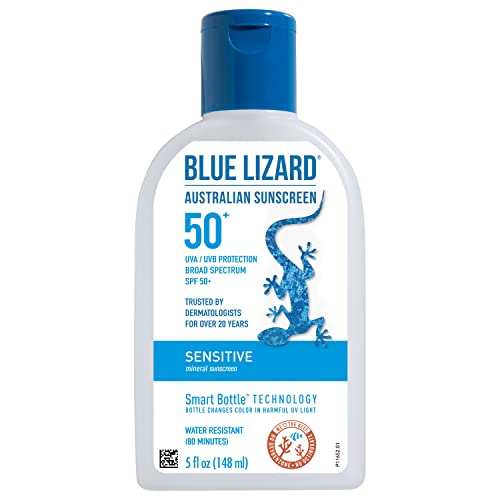
Another amazing option is Blue Lizard Sensitive Sunscreen. Crafted with a commitment to preserving delicate coral reefs, this sunscreen proudly excludes oxybenzone and octinoxate from its formula. As a mineral sunscreen, it relies on the power of zinc oxide and titanium dioxide, acting like thousands of tiny mirrors that reflect UV rays away, preventing them from entering your body.
With an impressive SPF 50+ rating, this sunscreen offers broad-spectrum UVA/UVB protection. The mineral active ingredients ensure a comprehensive shield against the sun’s harmful rays. Not only does it protect your skin effectively, but it is also paraben-free and fragrance-free, catering to sensitive skin needs.
Moreover, Blue Lizard Sunscreen is sweat and water-resistant, lasting up to 80 minutes, making it perfect for water activities. Choose Blue Lizard Sensitive Sunscreen for reef-friendly, mineral-based, and skin-safe sun protection.


Aruba Aloe Sunscreen
One of the top sunscreens for Aruba is actually from a local company in Aruba: Aruba Aloe. They make a popular coral reef-safe sun lotion that is sold all around the island. If you have not packed any sunscreen, this is your best bet on the island!
Boasting broad-spectrum sun protection, Aruba Aloe sunscreen is designed to guard against both UVA and UVB rays. Its nourishing and antioxidant-rich care comes from the inclusion of 100% Pure Aloe Vera Gel and Vitamin E, providing an extra layer of skin-friendly benefits. Its also paraben-free for an even safer and healthier application.
Emphasizing durability, this sunscreen is labeled as “Very Water Resistant,” making it an ideal choice for those engaging in water activities. The application is straightforward – generously apply 15 minutes before sun exposure and reapply after 80 minutes of swimming or sweating. For continued protection, reapplication is recommended immediately after towel drying and at least every 2 hours.
Other Ways to Protect Yourself from the Aruba Sun
While sunscreen is the number one way to protect yourself from the sun in Aruba, there are other important things to consider.
- Protective Clothing: Consider a long sleeve rash guard and a wide-brimmed hat for better sun protection. These choices shield your skin effectively against harmful UV rays, reducing the risk of sunburn.
- Seek Shade: Find a palapa, set up a beach umbrella, or use natural shade from trees to create comfortable and shaded areas. Taking breaks in the shade during peak sun hours helps minimize direct sun exposure. That being said, be aware of reflective surfaces, like sand and water, as they can amplify UV exposure even in the shade.
- Sunglasses: Choose sunglasses with 100% UVA and UVB protection to safeguard your eyes from harmful rays. Polarized lenses can reduce glare from reflective surfaces like water, enhancing eye protection.
- Stay Hydrated: Bring a reusable insulated water bottle and stay hydrated to regulate your body temperature. You may also want to avoid excessive consumption of alcohol and caffeine, which can contribute to dehydration.
- Lip Balm with SPF: Protect your lips by regularly applying lip balm with SPF, especially during extended sun exposure. I personally like the Sun Bum Lip Balm SPF 30.


Have additional questions about coral reef-safe sunscreen in Aruba?
Let us know in the comments!