How to Bring Your Dog to Aruba: Travel Requirements + Tips and Tricks
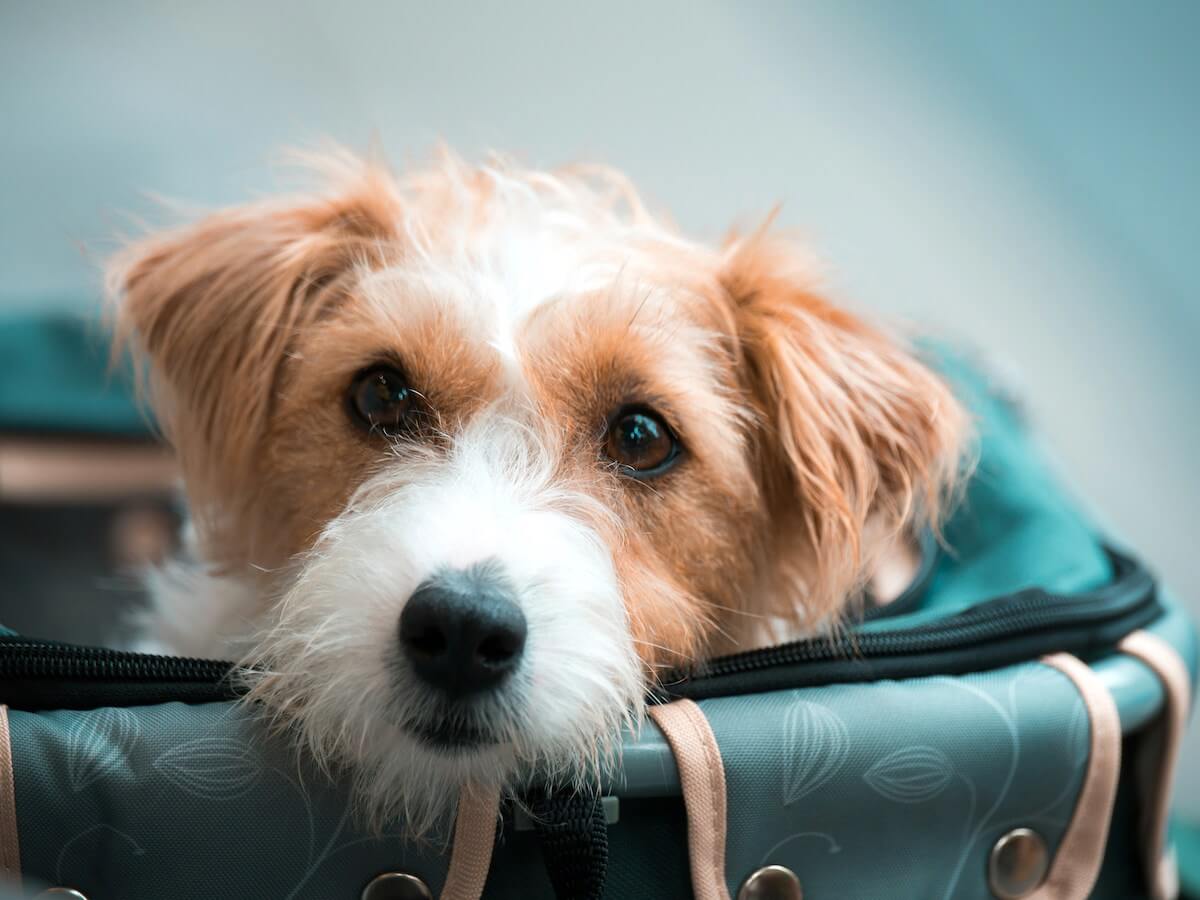
Traveling to Aruba with your own dog is absolutely doable, and plenty of people do it every year, but the paperwork has a specific order of operations, and the timing matters more than almost anything else.
Here’s the full breakdown of traveling to Aruba with your dog, plus real tips for making travel day easier on both of you.
Disclosure: Some of the links below may be affiliate links. At no additional cost to you, we may earn a small commission if you make a purchase.
The Official Requirements (Traveling From the U.S.)
If you’re flying to Aruba with a dog that’s currently living in the U.S., here’s what’s required:
- Your dog must have lived in the U.S. for at least 6 months. Puppies must have been born in the U.S.
- A microchip. You’ll need the number for multiple forms, so keep it handy.
- A valid rabies vaccination, given after the microchip was inserted.
- If it’s your dog’s first rabies shot ever, it must be given at least 30 days before travel.
- A 3-year rabies vaccine is fine as long as it’s still within its valid window.
- A USDA-endorsed health certificate, issued within 14 days of your travel date, from a USDA-accredited vet.
- A completed Aruba pet import permit application, emailed, along with your approved USDA health certificate, to Aruba’s veterinary service at vetservice@dvg.aw.
Timing is Everything
This is the part that trips people up most. A few timing rules to build your schedule around:
- Aruba requires the import paperwork within 14 days of travel.
- Airline windows differ: United requires health certificates within 14 days of travel. American Airlines requires 10 days. Always double-check current airline policy when you book, since these can change.
- The Aruba vet email approval needs at least 2 business days before travel, but build in more of a buffer if you can, especially around holidays.
- Aruba government offices close for local holidays, and if your paperwork lands on one of those days, you may not get approval in time. It’s worth checking the Aruba holiday calendar before you finalize your vet appointment, so you’re not scrambling (or rebooking flights) at the last minute.
A practical way to plan backward: pick your travel date, then schedule your vet visit far enough ahead that your USDA certificate is issued within the correct window and you still have at least a couple of business days of buffer to get the Aruba vet’s email approval before you fly. Ask your vet’s office up front whether they can submit USDA paperwork electronically. If not, you may need to overnight physical documents, which adds time and cost.
What to Bring with You
Printed copies of:
- USDA-endorsed health certificate
- Aruba-approved import permit
- Rabies vaccination record
- Your ED Card approval, Aruba’s entry form (a screenshot on your phone is generally accepted)
It’s smart to also keep digital copies of everything on your phone as a backup, in case anything gets lost or damaged in transit.
Taking Your Dog In-Cabin vs. Cargo
If your dog is small enough to travel in-cabin, you’ll typically need an airline-approved soft-sided carrier, and most airlines cap the combined weight of dog + carrier around 20 lbs (double-check your specific airline’s limit).
Larger dogs will generally need to fly as checked cargo or via a pet-specific cargo service, which comes with its own crate size and health requirements. Check directly with your airline well before booking, since space for pets (in either cabin or cargo) is often limited per flight.
Either way:
- You’ll likely need to call the airline directly to add your dog to an international reservation. This usually can’t be done online.
- Book your pet’s spot the same day you book your own flight. Airlines cap how many pets are allowed per flight, and slots fill up.
- Check-in typically happens at the airline’s Special Services desk, not the self-service kiosks, and you may not be able to check in online at all with a pet. Budget extra time at the airport.
- Pet fees are usually charged per reservation, not per flight segment. If you have a layover, don’t let an agent charge you twice by mistake.
What It Costs to Bring Your Dog to Aruba
Costs vary, but a reasonable ballpark based on experience:
- Vet costs: Roughly $400–$450 total, covering the exam, USDA paperwork prep, and the USDA endorsement fee.
- Airline pet fees: Many major U.S. carriers charge around $150 each way for in-cabin pets (cargo pricing varies more and depends on crate size/weight).
Arriving in Aruba
On arrival, you’ll typically go through passport control and customs like normal, then show your paperwork (USDA certificate, rabies record, and the Aruba vet-approved import permit) to immigration officials if asked. Most travelers report this taking just a minute or two once everything is in order. The key is making sure the Aruba vet’s email approval actually went through before you land.
Bringing Your Dog Back to the U.S.
Good news: the return trip is generally simpler than getting into Aruba.
- File the CDC Dog Import Form online before you head home. It’s free, valid for 6 months, reusable for multiple trips (as long as your dog hasn’t been in a high-risk rabies country), and you’ll get an emailed receipt. Print it, just in case.
- Get a local “fit to fly” health certificate from an Aruba vet within 10 days of your return flight, confirming your dog is healthy and parasite-free. Local vets are very familiar with this process. (Note: a few travelers have reported this isn’t always strictly enforced for small pets, but plan to get it anyway, since requirements can change and it’s a quick, inexpensive visit.)
- Confirm your microchip and rabies vaccine are current. You’ll have already met this requirement getting into Aruba.
- Make sure your dog is at least 6 months old (also already covered if you met the outbound requirement).
Tips and Tricks for Traveling With Your Dog
Beyond the official paperwork, here’s what makes the day itself go more smoothly:
- Start crate training weeks (not days) in advance. Let your dog hang out in the carrier in a low-stress environment (ex: on the couch, during downtime) before ever closing the zipper. Gradually work up to zipping it closed for longer stretches, and even rolling it around on top of luggage so the motion feels normal.
- Do a few nighttime “test runs” if you’re on a red-eye. Dogs pick up on routine, so a sudden late-night departure can be startling if they’ve never experienced it before. A couple of practice walks out the door at night helps.
- Tire them out beforehand. A long walk earlier in the day (avoid the heat of the afternoon) plus some mental stimulation (puzzle toys, playtime) makes a big difference in how well a dog settles in for a flight.
- Bring their favorite treats, a favorite small toy, and something that smells like home (ex: a worn t-shirt tucked into the carrier can be calming).
- Pack a portable water bowl, extra pee pads, and poop bags for easy access, plus any medications your dog needs.
- The pill pocket or peanut-butter-spoon trick: If your dog needs a pill mid-trip, bring a pill pocket or spread peanut butter on a plastic spoon ahead of time and store it in a zip-top bag. This is much easier than trying to hide a pill in something on the fly.
- A portable handheld fan can help if you’re layering through multiple climates on travel day.
- Rethink your carry-on setup. Once your dog counts as your one extra carry-on item, you’ll likely need somewhere to stash your dog’s supplies and your own essentials within reach. Remember that when picking a travel bag!
- Keep essentials with you, not checked (Ex: medications (yours and your dog’s), a change of clothes, and anything irreplaceable should stay in the cabin in case checked luggage is delayed).
Bringing your dog to Aruba takes more planning than a solo trip, but for a lot of people, having their dog there, walking the beach, settling into a favorite spot on the balcony, is exactly what makes the island feel like home away from home. This is especially true for long trips!
Have you brought your dog to Aruba?
Let us know how it went in the comments!